Cute Easter Capybara Watercolor Patterns Review
As a designer who has spent countless hours digitizing and stitching out embroidery files, I have learned that the difference between a good product and a great one often lies in the details. When I first opened the Cute Easter Capybara Watercolor Patterns package, my immediate reaction was one of relief mixed with creative excitement. In a market saturated with generic holiday clipart, finding assets that balance whimsical charm with technical usability is rare. This collection does not just offer cute imagery; it provides a versatile foundation for high-quality handmade products.
First Impressions and Visual Mood
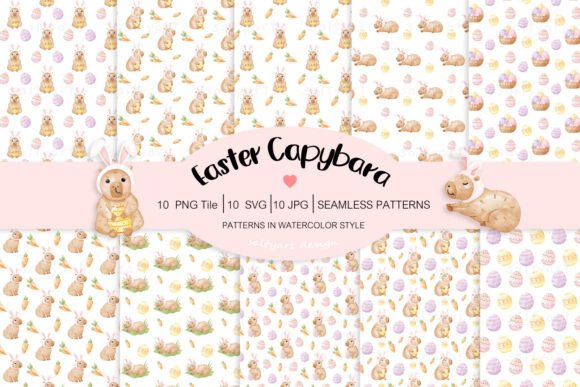
The aesthetic of this collection is undeniably soft and inviting. The watercolor style translates beautifully into digital graphics, offering a gentle, hand-painted look that feels organic rather than rigid. For an embroidery designer, this presents both an opportunity and a challenge. Watercolor effects rely on subtle gradients and bleeding edges, which can be difficult to replicate with thread. However, the shapes within these Graphics are clean and well-defined. The capybara illustrations possess a calm, friendly demeanor that fits perfectly with the relaxed vibe of modern craft businesses.
The mood created by these designs is warm and nostalgic. It evokes feelings of spring renewal and gentle celebration. This emotional resonance is crucial when creating a personalized gift or a boutique item. Customers are not just buying a stitched image; they are buying a feeling. The layout of the capybaras, often surrounded by subtle floral or Easter-themed elements, allows for a balanced composition that does not feel cluttered. This visual personality makes the design naturally suited for projects where comfort and joy are the primary goals.
Real-World Application: The Custom Tote Bag Test
To truly evaluate the utility of these files, I simulated a real-life scenario: creating a custom embroidered tote bag for a spring farmers' market launch. I selected one of the central capybara motifs from the Cute Easter Capybara Watercolor Patterns set. My goal was to determine how the design would hold up on a textured canvas fabric, a common choice for durable tote bag design projects.
The process began with selecting the right file format. Since the package includes SVG, PNG, and JPG files, I had options. For embroidery, I would typically need to digitize the SVG or use it as a reference for creating a machine embroidery design. The clarity of the lines in the SVG files made tracing and assigning stitch types straightforward. I opted for a combination of satin stitch for the outlines and fill stitch for the larger body areas of the capybara. The result was a crisp, professional-looking patch that maintained the integrity of the original artwork.
When I imagined this design on a sweatshirt, the potential expanded. Sweatshirt embroidery requires careful attention to stitch density to avoid puckering the heavy fabric. The open spaces in the watercolor-inspired design allowed me to reduce density without losing detail. This adaptability is a hallmark of high-quality design assets. Whether applied to a baby onesie or a structured cap, the design retains its charm without becoming a bulky mess of thread.
Technical Considerations for Embroiderers
While the visual appeal is strong, practical application requires diligence. One must consider the limitations of embroidery when working with watercolor-style Patterns. Thread cannot blend colors as seamlessly as ink. Therefore, simplifying the color palette is essential. I recommend testing the design on scrap fabric first to check thread color contrast. Using too many similar shades can muddy the final look, especially on textured fabrics.
Hoop size is another critical factor. Some of the more detailed elements in the collection might require a larger hoop to ensure clarity. If you are working with a small 4x4 inch hoop, you may need to isolate specific parts of the design. Additionally, when stitching on stretchy fabric or curved surfaces like caps, using the proper stabilizer is non-negotiable. A cut-away stabilizer will provide the necessary support to keep the stitches flat and prevent distortion.
It is also wise to inspect small details before committing to a final product. Tiny lettering or intricate corners can become lost in translation if the stitch count is too high or the needle size is inappropriate. I always advise running a test stitch-out to review stitch density. If the design feels too dense, adjust your settings to allow the fabric to breathe. This step ensures that your finished product looks professional and lasts through multiple washes.
Commercial Viability and Brand Consistency
For Etsy sellers and small shop owners, the commercial potential of Cute Easter Capybara Watercolor Patterns is significant. The trend of "cottagecore" and animal-themed decor continues to grow, and capybaras have become internet favorites. Incorporating these designs into your lineup can attract a niche audience looking for unique, high-quality items.
However, brand consistency is key. These designs fit best with brands that emphasize handmade quality, natural materials, and gentle aesthetics. They may not suit a bold, industrial, or minimalist brand identity. Before adding them to your small shop product list, consider how they align with your existing offerings. Do they complement your current custom apparel line? Do they enhance your holiday embroidery collection?
Using these files for commercial embroidery projects requires confirming licensing terms. While the package provides versatile file formats, always verify whether the license allows for unlimited physical sales or if there are restrictions. This due diligence protects your business and builds trust with your customers. A clear understanding of rights ensures that your craft business operates smoothly and professionally.
Final Verdict and Designer Notes
In conclusion, Cute Easter Capybara Watercolor Patterns is a valuable addition to any designer’s library. It offers a blend of artistic charm and practical versatility. The inclusion of SVG, PNG, and JPG files provides flexibility for various applications, from digital mockups to physical stitching. For those creating embroidered patches, baby embroidery items, or kitchen towel designs, this collection offers a solid starting point.
Remember to test on different fabric backgrounds, compare light and dark options, and adjust your digitizing strategy to suit the medium. By treating these Graphics with the care they deserve, you can create stunning, marketable products that resonate with customers. Whether you are a hobbyist making gifts or a professional scaling a brand, these patterns provide the creative spark needed to elevate your next embroidery project.