Reviewing the Pines Tree Vintage Logo for Embroidery
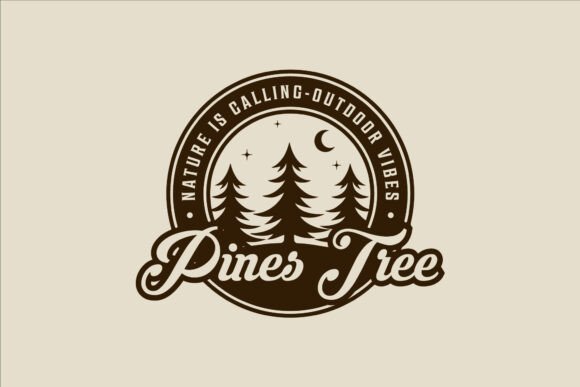
As a designer who spends half my life digitizing artwork and the other half watching needles punch through fabric, I have learned that not every beautiful graphic translates well to thread. When I first pulled up the Pines Tree Logo Vintage Vector Design, my initial reaction was one of cautious optimism. The retro circle badge style is undeniably trendy, tapping into that nostalgic outdoorsy aesthetic that dominates current travel and lifestyle branding. But trends do not stitch themselves. I needed to know if this specific arrangement of pine trees and vintage typography would hold up under the mechanical stress of an embroidery machine, or if it would collapse into a messy puckered knot on a client’s expensive garment.
First Impressions: Mood and Visual Personality
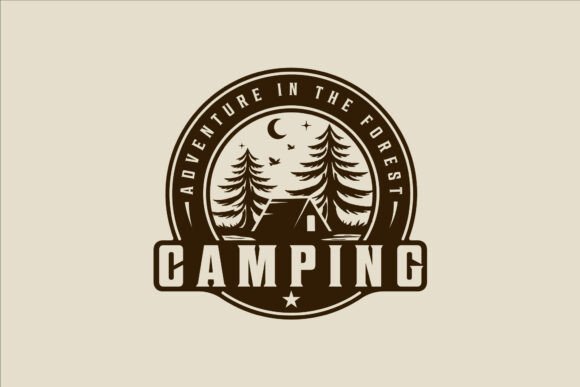
The design exudes a calm, rugged charm. It feels like something you would see stamped on a leather journal or printed on a canvas tent from the 1970s. For embroidery purposes, this mood is excellent. It suggests durability and timelessness, which are key selling points for handmade products. The layout is contained within a circular boundary, which is generally a safe bet for hoop stability. However, the "vintage" aspect often implies distressed lines or textured fills. In vector graphics, this looks artistic. In embroidery, distress effects can be tricky. If the design relies on tiny, disconnected segments to create a worn look, it may result in excessive thread jumps or weak anchor points that unravel after the first wash.
I looked closely at the pine tree silhouettes. They are stylized rather than hyper-realistic, which is a positive sign. Overly detailed botanical illustrations often require such high stitch density that they turn stiff and board-like on soft fabrics. This simplified approach suggests the designer considered scalability. The visual personality is strong enough to stand alone as a central motif on a tote bag or subtle enough to work as a chest logo on a custom apparel piece.
Real-World Application: The Tote Bag Test
To evaluate the practical utility of this Logos asset, I imagined a specific project: a heavy-duty canvas tote bag for a local nature guide service. This is a common request for small shop owners and Etsy sellers. Canvas is forgiving, but it has a loose weave that can allow stitches to sink in if the stabilizer is not robust. The circular badge shape of the Pines Tree Logo Vintage Vector Design works wonderfully here because it provides a balanced focal point. Unlike wide, horizontal logos that can distort across the seam of a bag, this compact round design sits neatly in the center or corner.
I also considered its use on a sweatshirt embroidery project. Fleece and cotton blends are plush, meaning fine details can get lost. The bold outlines of the pine trees in this design should penetrate the pile of the fabric effectively, maintaining clarity. For a baby embroidery item, such as a organic cotton onesie, the design might need to be scaled down significantly. Here, the retro circle frame becomes crucial—it keeps the elements together so the image remains recognizable even at a smaller hoop size.
Technical Considerations for Stitching
When converting or using this type of vector illustration as a machine embroidery design, several technical factors come into play. First, let us talk about stitch types. A design like this likely utilizes a combination of satin stitch for the borders and text, and fill stitch for the tree shapes. Satin stitches provide that smooth, glossy finish that screams professionalism, but they are prone to snagging if they are too wide. If the vector file has thick bands for the circle border, ensure your digitizer breaks them into stepped satin stitches or uses a tatami fill to prevent long floats from catching on fingers or washing machines.
Stitch density is another critical variable. Vintage styles sometimes incorporate texture that looks like grain or noise. In embroidery, we cannot replicate pixel noise. We must simulate it with varied stitch angles or lighter density. If you are using this as a digital embroidery file, check the density map. High density on a stretchy fabric like a t-shirt will cause puckering. You must pair this design with a appropriate stabilizer—likely a medium-weight cut-away for garments that will be washed frequently, or a tear-away for stable home decor items like pillow covers.
Fabric texture plays a massive role in the final outcome. On a smooth quilting cotton, the design will look crisp and defined. On a textured linen or a waffle-knit towel, the intricate parts of the pine branches might blend into the fabric weave. I always recommend testing the design on scrap fabric that matches your final product. Do not skip this step. Seeing how the thread colors interact with the fabric dye is essential. Earth tones—forest greens, browns, and creams—will enhance the vintage vibe, while neon threads would clash disastrously with the retro aesthetic.
Where to Use Caution
While versatile, this design is not universal. I would hesitate to use it on curved surfaces like caps without significant modification. The circular badge shape can distort when wrapped around the front panel of a baseball cap unless the digitization accounts for the push-and-pull of the fabric. Additionally, if the design includes tiny lettering within the circle, verify the legibility. Small text often merges into a blob of thread once stitched. If you plan to sell this as part of a commercial embroidery line, ensure the text is large enough to be read from a reasonable distance.
Dark fabrics present another challenge. If the design relies on light-colored threads for contrast, you may need to add an underlay or use a backing material to prevent the dark fabric from showing through the stitches. This is particularly important for the negative space within the pine tree branches. Without proper coverage, the design can look sparse and unfinished.
Enhancing Brand Value and Customer Trust
For craft business owners, the choice of design directly impacts perceived value. The Pines Tree Logo Vintage Vector Design offers a polished, established look. It does not look like a clip-art afterthought; it looks like a brand mark. Using such a cohesive graphic on your handmade product signals attention to detail. Customers associate clean, well-executed embroidery with quality. Whether you are creating holiday embroidery gifts or boutique branding materials, this design helps build trust. It suggests that the maker understands aesthetics and tradition.
Furthermore, the versatility of the design allows for consistent branding across different products. You can use the same logo on aprons, patches, and tea towels, creating a unified collection. This consistency is vital for Etsy sellers and small shop products trying to establish a recognizable identity. A strong visual identity leads to better buyer engagement and repeat customers.
Practical Notes for the Maker
Before you commit to stitching this on a final product, take these steps. First, confirm the licensing. Just because you bought the vector graphic does not automatically grant you rights to use it in commercial embroidery projects. Check the terms carefully. Second, if you are digitizing this yourself from the vector file, pay attention to the node count. Simplify curves where possible to reduce unnecessary needle penetrations. Third, create a printable mockup to visualize scale. Hold it against the actual garment. Does it overpower the pocket? Is it too small to appreciate?
Finally, consider the thread colors. Stick to a limited palette. Three to four colors usually suffice for this style. Too many color changes increase production time and the risk of thread breaks. Use high-quality rayon or polyester threads to ensure the sheen complements the vintage style without looking cheap.
In conclusion, the Pines Tree Logo Vintage Vector Design is a strong candidate for embroidery projects, provided you respect the limitations of the medium. It bridges the gap between modern graphic trends and traditional craft appeal. With careful attention to stabilizer choice, stitch density, and fabric selection, it can elevate a simple piece of cloth into a cherished personalized gift or a best-selling item in your online store. Treat it with the technical respect it deserves, and it will serve your creative business well.