Tractor Vector Silhouette Collection1 Review
As a designer who has spent more hours than I care to count staring at digitizing software and troubleshooting thread breaks, I have learned that not every graphic translates well into thread. When I first pulled up the Tractor Vector Silhouette Collection1, my initial reaction was one of cautious optimism. In the world of Crafts and digital Graphics, silhouette designs are often marketed as universal solutions, but experienced embroidery professionals know that simplicity can be deceptive. A clean vector line on a screen does not always guarantee a clean stitch-out on fabric.
I decided to put this collection through its paces, evaluating it not just as a digital asset, but as a functional component in real-world production. My goal was to determine if these files could hold up under the mechanical stress of an embroidery machine while maintaining the aesthetic appeal required for commercial sales.
First Impressions and Visual Personality
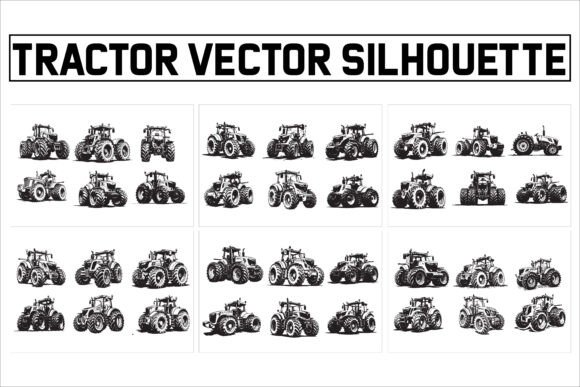
The immediate strength of the Tractor Vector Silhouette Collection1 is its clarity. The shapes are bold and recognizable, capturing the iconic profile of agricultural machinery without unnecessary clutter. For an embroidery designer, this is crucial. Complex gradients and tiny details often get lost in translation when converted from a vector path to a machine embroidery design. These silhouettes rely on strong outer contours, which suggests they are well-suited for running stitch outlines or dense fill stitch blocks, depending on how you choose to digitize or utilize the provided formats.
The mood created by these designs is rustic, sturdy, and nostalgic. They evoke feelings of heritage, hard work, and rural life. This makes them naturally aligned with projects targeting customers who appreciate farmhouse aesthetics, outdoor lifestyles, or family traditions. However, because they are silhouettes, they lack internal detail. This means the visual weight of the design rests entirely on the shape’s accuracy and the quality of the edge definition. If the edges are jagged or the scale is too small, the tractor becomes an unrecognizable blob.
Real-World Application: The Custom Tote Test
To test the practical viability of the Tractor Vector Silhouette Collection1, I simulated a common client request: a custom embroidered tote bag for a local farmers' market vendor. The client wanted a simple, high-impact logo that would look professional yet handmade. I selected one of the six tractor variations from the set, focusing on the one with the most balanced proportions.
Working with the included SVG Files and EPS Files, I imported the vector into my digitizing software. This step is critical. While the product description mentions these formats are included, it does not specify pre-digitized embroidery files like PES or DST. Therefore, I treated these as design assets to be converted. The clean lines of the vector made the auto-digitizing process surprisingly smooth, though I manually adjusted the stitch density to prevent puckering on the canvas fabric.
The result was impressive. On a medium-weight cotton canvas, the solid fill of the tractor silhouette created a striking contrast. The thread colors I chose—a deep forest green on natural beige fabric—enhanced the rustic vibe. The design sat flat against the fabric, thanks to proper use of a cut-away stabilizer. This experience confirmed that the Tractor Vector Silhouette Collection1 is highly effective for tote bag design applications where bold visibility is key.
Versatility Across Product Lines
Beyond tote bags, I evaluated how these graphics would perform on other popular items for Etsy sellers and small shop product lines. The collection shows significant promise for sweatshirt embroidery. When scaled up for the chest or back of a hoodie, the silhouette acts as a strong graphic element. It avoids the "busy" look that can sometimes plague detailed applique design work, offering a cleaner, more modern aesthetic.
For baby embroidery projects, such as onesies or nursery decor, the simpler tractor shapes in the collection are ideal. Parents often prefer recognizable, soft imagery for children’s items. However, caution is needed regarding scale. On small garments, the design must be reduced significantly. This brings me to a critical limitation: tiny details. If a specific tractor variant has thin protruding parts, such as exhaust pipes or antennae, these may not stitch out cleanly at smaller sizes. I recommend testing the design at the intended size on scrap fabric before committing to a final finished product.
The collection also lends itself well to embroidered patch creation. Patches require dense stitching and clear borders to withstand washing and wear. The solid nature of a silhouette works perfectly here, allowing for a merrowed edge or a simple satin border that encapsulates the shape neatly. This opens up opportunities for commercial embroidery businesses looking to create branded merchandise for agricultural companies or rural-themed events.
Technical Considerations and Fabric Constraints
While the Tractor Vector Silhouette Collection1 is versatile, it is not without its technical demands. Embroidery on stretchy fabrics, such as jersey knits used in t-shirts, requires careful handling. A large, dense silhouette can cause the fabric to pucker or distort if not stabilized correctly. I strongly advise using a hoop size that provides ample support around the design area and selecting a stabilizer that matches the fabric weight.
Dark fabrics present another challenge. Since these are silhouettes, they rely on contrast. Stitching a dark tractor on a black shirt will render the design invisible unless you use a contrasting thread color or add a light-colored underlay. Conversely, on light fabrics, ensure your thread color has enough saturation to stand out. Testing in black and white mockups can help visualize the value contrast before you thread the machine.
Additionally, consider the curvature of the surface. Embroidering on caps or curved surfaces like pillow covers requires adjusting the design placement to avoid distortion. The rigid geometry of a tractor might look warped if stitched over a highly curved seam. Always map out the placement carefully, keeping the design centered and away from structural seams.
Commercial Value and Brand Consistency
For craft business owners, the consistency of the Tractor Vector Silhouette Collection1 is a major asset. Having six variations allows for product differentiation without losing brand identity. You can offer a range of tractor styles across different products—perhaps a classic model on aprons and a modern one on holiday embroidery items like Christmas stockings. This variety helps maintain customer interest and encourages repeat purchases.
The professional appearance of these vectors enhances perceived value. A clean, well-executed embroidery project signals quality to the buyer. Whether you are creating personalized gift items for weddings or custom apparel for a corporate team, the clarity of the design contributes to a polished final look. This professionalism builds trust, which is essential for growing an online presence as an Etsy seller or independent maker.
Final Verdict and Designer Notes
In conclusion, the Tractor Vector Silhouette Collection1 is a robust set of design assets for embroidery professionals and hobbyists alike. Its strength lies in its simplicity and adaptability. However, success depends on proper execution. Here are my final recommendations:
- Test First: Always stitch out a sample on scrap fabric similar to your final material to check for puckering or thread breaks.
- Check Licensing: Confirm the license terms before selling finished items. The description mentions commercial use, but always verify specific restrictions.
- Digitize Carefully: Since these are vector graphics, ensure your digitizing settings optimize stitch density for the specific fabric type.
- Contrast Matters: Choose thread colors that provide sufficient contrast against the fabric background to ensure the silhouette is visible.
- Scale Appropriately: Avoid scaling the design too small, as fine details may be lost. Keep the overall shape bold and clear.
By respecting the technical requirements of embroidery and leveraging the strong visual identity of these tractors, you can create standout products that resonate with customers. The Tractor Vector Silhouette Collection1 is a valuable addition to any designer’s library, provided it is used with intention and technical precision.